 Talent Management
Because the complaint that becomes a lawsuit arrives looking like all the others...
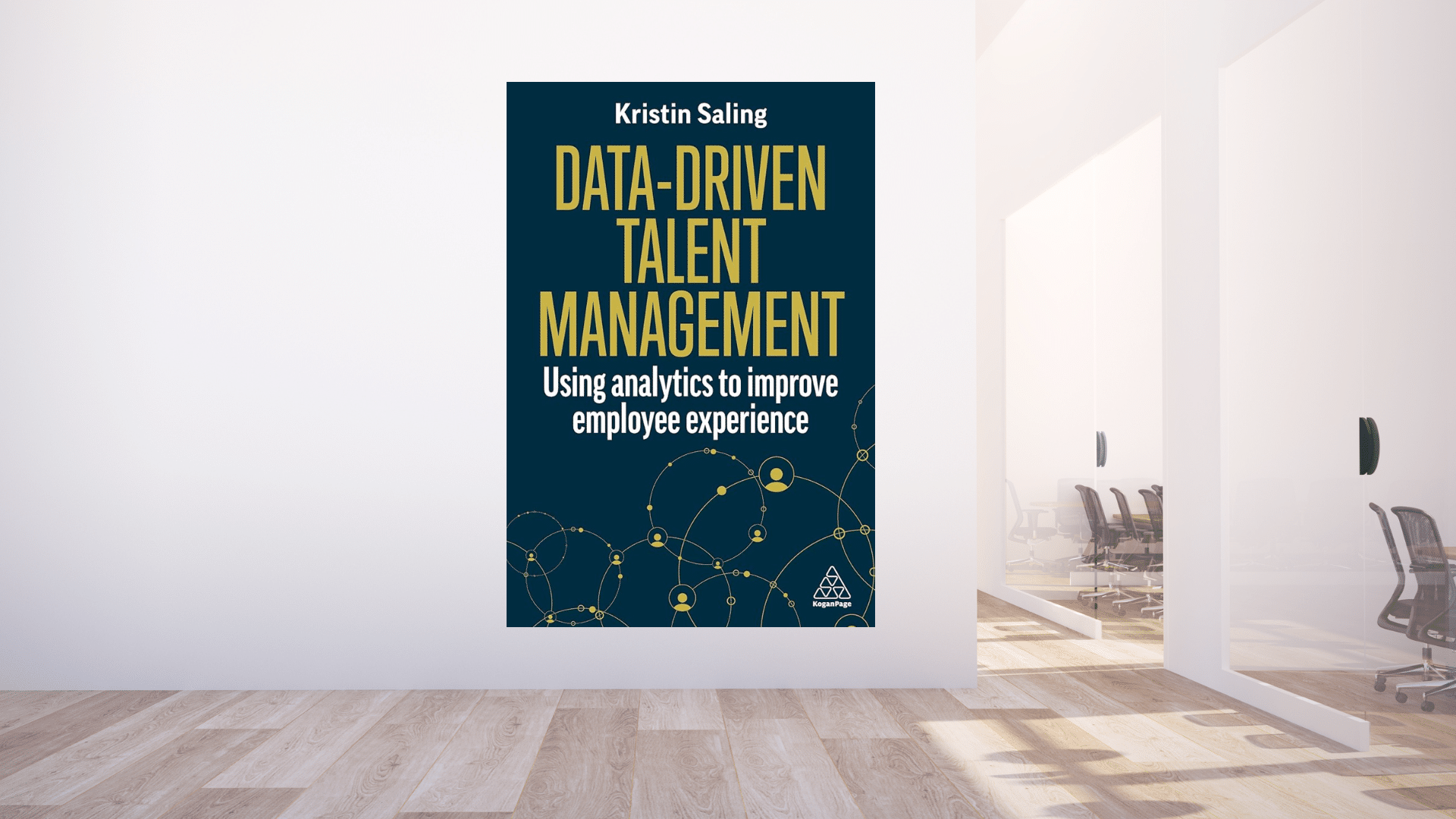 Talent Management
Data-Driven Talent Management is a practical guide for HR professionals which answers these questions. It outlines effective data collection and analysis methods as well as showing how to develop metrics and key performance indicators to support employee experience.
 Talent Management
"Dear Ellie" is an advice column from someone "who’s been there, and done that". Navigating tough workplace dynamics? Feeling like your company’s not aligned with your values? Exhausted, overwhelmed, and in need of a fresh perspective? Ask a seasoned HR pro, Ellie.
 Talent Management
Gallup research shows that only about three in ten employees believe their opinions count at work, signaling open-door promises aren’t creating the space intended. Open-door policies came from the right place. They were designed to signal care, openness, and trust. But intent without structure no longer works.
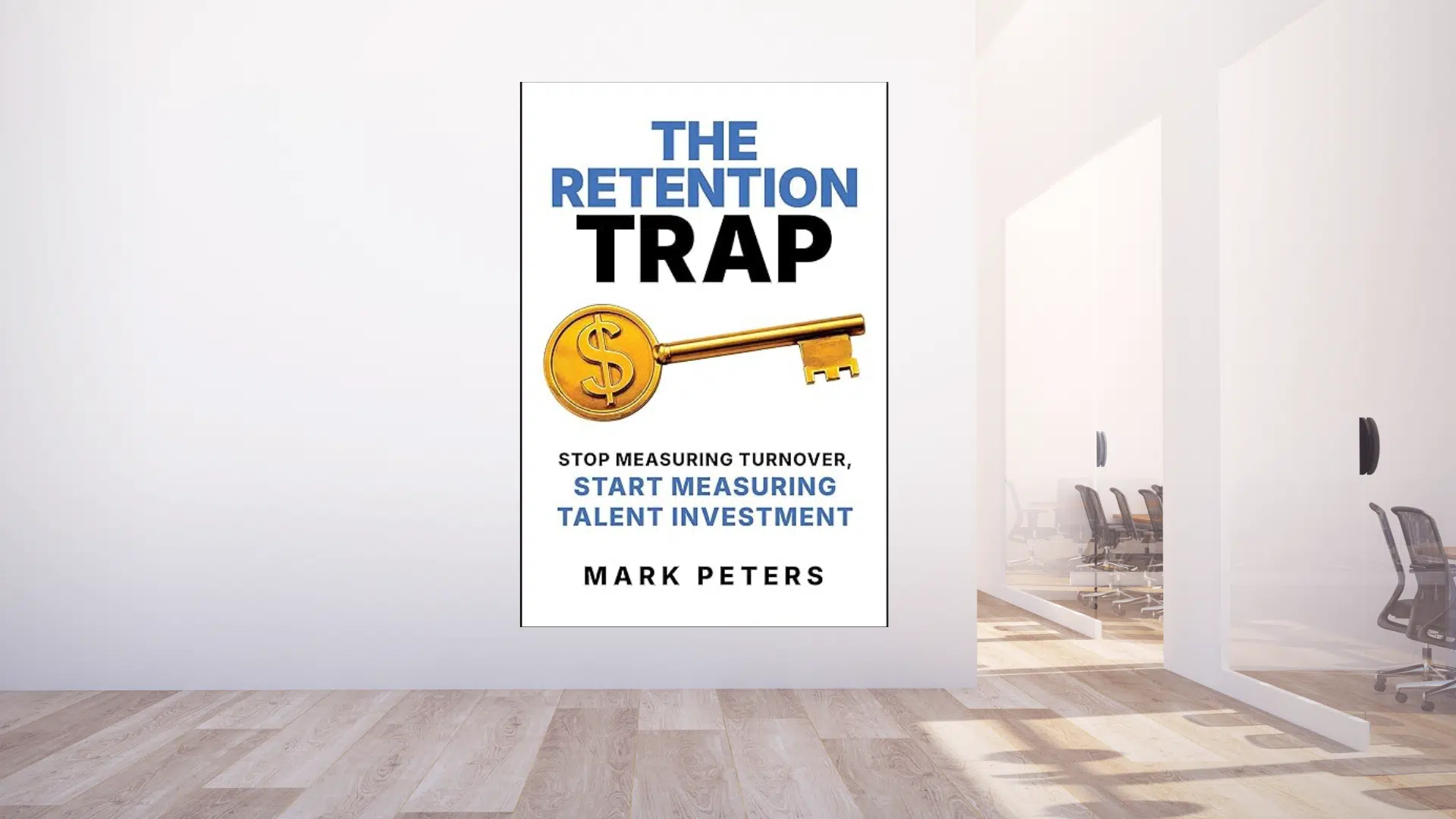 Talent Management
Small- and medium-sized businesses need to evolve their talent strategies to reflect a changing labor market. That shift starts with thinking not just about how we attract people but about how we help them advance. Investing in people and encouraging them to take advantage of development opportunities and career advancement paths will help them find purpose in their lives and prepare them — and our enterprises — for the changes the future will bring.
 Talent Management
Annual reviews feel outdated because they are. They delay feedback instead of driving it and feel more like paperwork than performance management. Performance management should not be a formality scheduled once a year and ignored the rest of the time. In modern organizations, it must be agile, responsive, and aligned with how teams actually work.
 Talent Management
Culture isn’t created by lofty HR initiatives — it’s created by a strong, stable infrastructure. If infrastructure is weak (or essentially non-existent), culture will always crack under the weight of the vision. You can’t build culture without solid ground.
 Talent Management
For most organizations, onboarding is a missed opportunity. We treat it like a frantic sprint through compliance paperwork and IT setups, leaving our newest team members feeling more processed than welcomed. When we treat onboarding as a checklist, we are not just creating a forgettable experience; we are actively contributing to early turnover.
 Talent Management
Unsurprisingly, PIPs are often perceived by employees as a prelude to their inevitable dismissal. Navigating these situations is tough, as PIPs put HR professionals in the position of playing the dual roles of disciplinarian and coach. It is up to HR to frame performance discussions with employees as giving them a “second chance” to avoid dismissal by achieving a set of specific goals.

Never about the work.
Always about the people.
Never about the work.
Always about the people.

11954 Narcoossee Rd., Suite 2-163
Orlando, FL 32832
Company
Articles
Webinars
Downloads
Trust. Respect. Empathy.
© 2025 HRinsidr. All Rights Reserved. Privacy Policy. Terms of Use.