Stop Taking Yourself For Granted

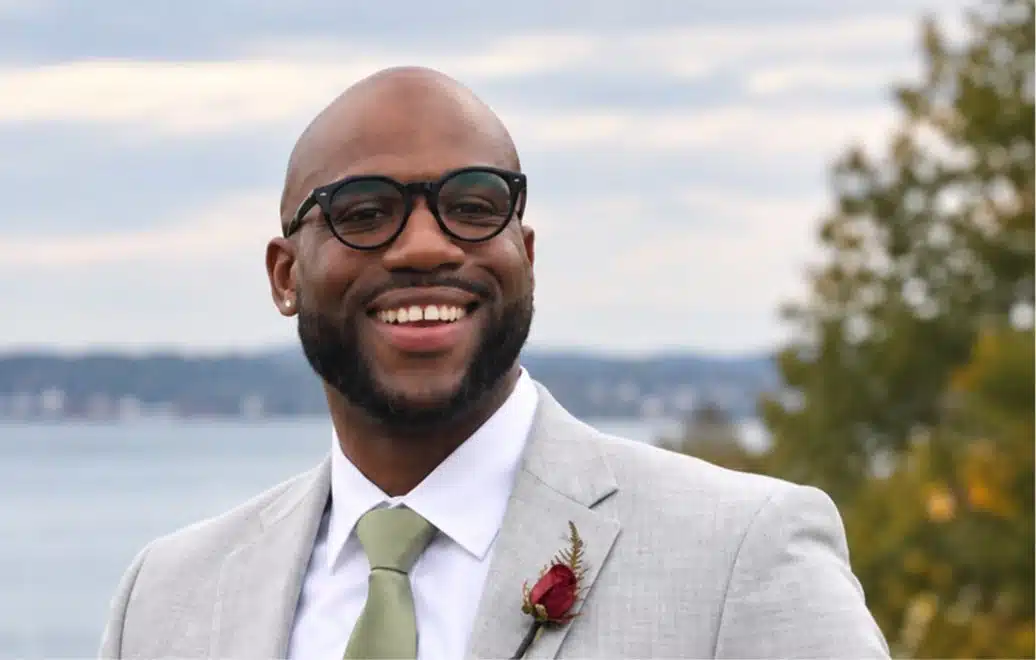
Rob Sullivan is an international speaker, corporate trainer, and coach whose passion is helping people improve their presence, energy, listening, and communication. Rob contributes regularly to HRinsidr. Follow along for ongoing insights on leadership presence, communication, and professional development.
“I got tapped to lead a major turnaround project last year. Worked nights, weekends, missed vacations, and ultimately helped the company save a six-figure client relationship that was on the verge of walking away. During my annual review, my manager told me I was ‘invaluable’ and asked me to keep doing what I was doing. When I asked about a promotion or expanded role, I was told, ‘Honestly, we just assume you’ll handle whatever comes your way.’
The weird part? The less recognition I get, the more responsibility seems to land on my desk. I’m starting to wonder if being dependable has become my biggest career liability.”
— Facebook • 287 reactions, 63 comments
Leaders rarely take their organizations for granted. They track performance, celebrate milestones, and build cultures of recognition. And yet, a curious blind spot persists: the very leaders doing all of this consistently take themselves for granted.
This is not a problem of ego. It’s the opposite. Over the years, I have worked with and coached a variety of high performers and seasoned executives who had a difficult time articulating what made them different from their peers. Not false modesty — genuine uncertainty. These were people who had built remarkable careers yet had a hard time telling their stories in a compelling way.
This happens at all levels of an organization. During an awards ceremony keynote for a staffing association, one of the nominees was a man in his early 60s who had bicycled 15 miles through a Chicago snowstorm to show up with a smile and icicles in his beard. He was genuinely surprised to have been acknowledged because to him, it was simply what you do.
A Certain Type of Leader
In general, the more initiative a person has, the more likely that person is to disregard or minimize their own accomplishments. They operate from an internal compass — driven by passion, initiative, and resourcefulness. They can’t imagine doing their job any other way, so they miss what sets them apart.
If you lead this way, you probably don’t spend much time comparing yourself to the disengaged or the mediocre. You’re not driven by recognition. That’s a strength. But it can also leave you blind to the very qualities that make you worth following.
What This Costs You as a Leader
This blind spot has real consequences — not just for you, but for the people you lead. If you don’t understand why people trust you, it becomes difficult to be deliberate about cultivating that trust. And when you move into a new role, a new organization, or a high-stakes presentation, you may find yourself underselling the very qualities that got you there.
A Practical Exercise
The fix is the same whether you’re a job seeker or a senior vice president: ask.
Find a trusted colleague — someone who will be honest, not just kind — and say:
“I’m doing a leadership self-assessment. Would you be willing to share what you think I do distinctively well, and where you’d challenge me to grow?”
When you hear the positive feedback — and you will — press for specifics. What did they observe? When? What was the impact? The details will surprise you. They almost always do.
This is not an exercise in patting yourself on the back. It is the foundation of effective leadership communication, mentoring, and presence. You cannot help others understand what great leadership looks like if you have never examined what works and doesn’t work in your own approach.
—
The information contained in this site is provided for informational purposes only, and should not be construed as legal advice on any subject matter.
 HR Profession
On his podcast The Business of Alignment and through his sales-intelligence operation Pulse HR, AJ Vaughan has had more than 1,000 conversations with CHROs, founders and HR tech leaders about what makes organizations work. Here are the 5 things he can't do his job without.
 Compensation and Benefits
Last week we asked how much of your 2027 health increase you're planning to pass along to employees, and the most popular answer was none of it. Here's why we think you answered that way.
 News & Compliance
The NLRB confirmed its standard for disciplining misconduct during protected activity, California signed 4 workplace technology laws, and a second federal court blocked the policies behind the $100,000 H-1B payment. California's first deadlines arrive January 1.